There are houses one passes without noticing.
And there are houses one enters slowly, as though something within might change the rhythm of one’s breathing.
Maison Tatj was not built in haste. It gathered itself in fragments: a book left open on a wooden table, its spine gently yielding; flour resting along the cuff of a sleeve; a letter paused mid-sentence, waiting for the precise word that would make it honest. Nothing grand. Nothing loud. Everything deliberate.
I have never been interested in doing many things at once. Only in doing them well. Reading without rushing. Cooking without clatter. Writing without spectacle. Setting a table as though someone awaited me… even when that someone was only myself.
This house gathers such gestures.
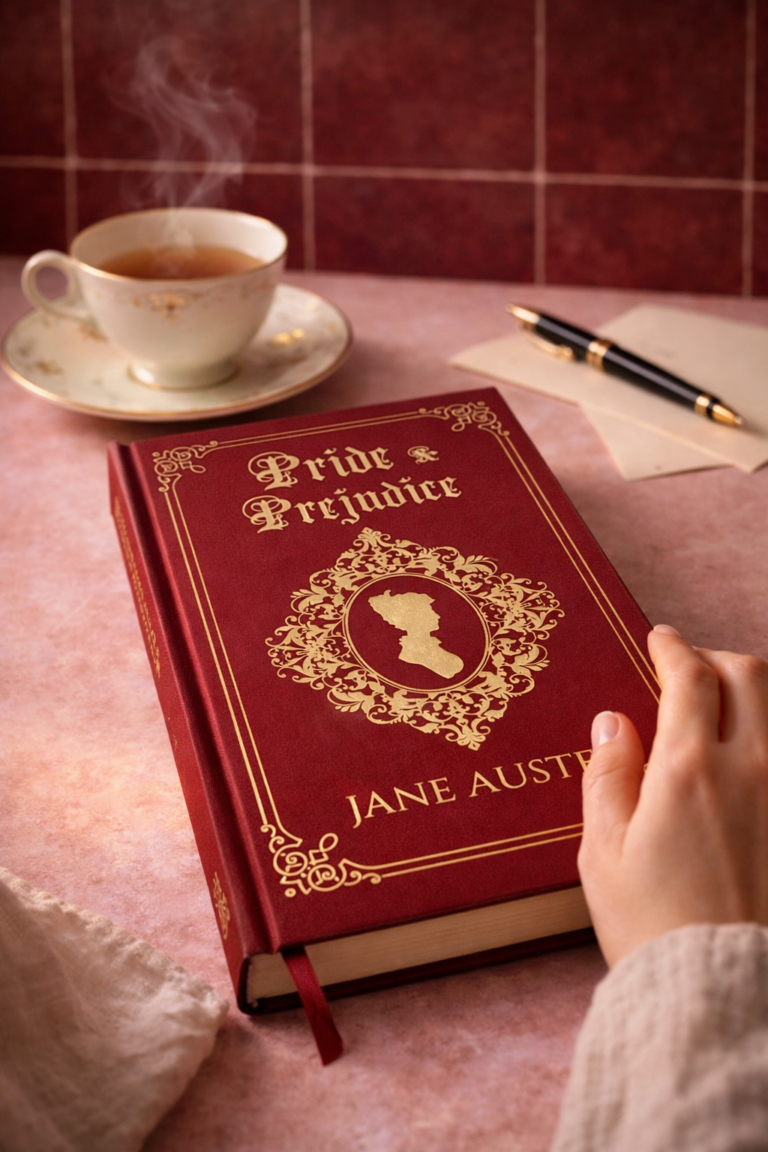
There is the Salon — Fancy a cup of T? — where literature is not observed from a safe distance but lived with intimately. Books are read through appetite; culture is handled with care. Taste is not ornament here, but discernment. It is a room of thought and murmured conversation, of steam rising in pale spirals from a cup while a page turns slowly under the hand.
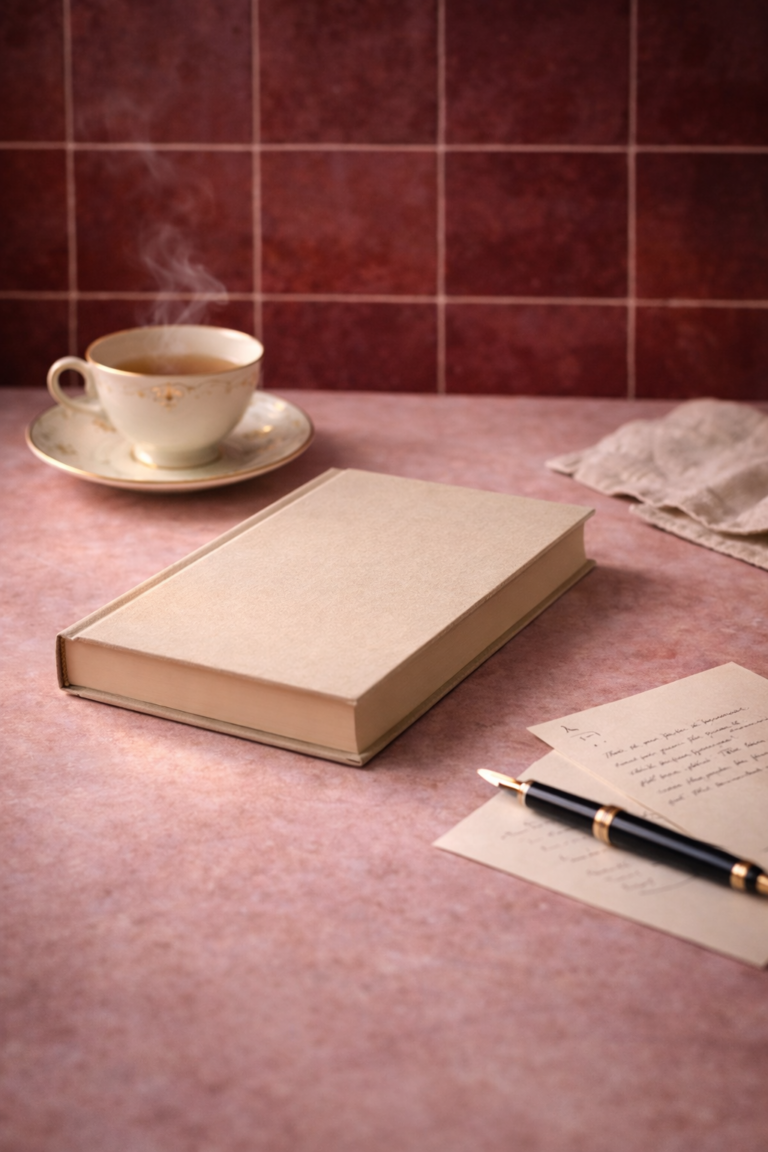
Within this room, one may also find the Correspondence — The Taste of Words. Writing that longs to travel further than the screen. Letters that ask to be unfolded, held, perhaps kept in a drawer. Ink that presses lightly into paper. What begins in the quiet of the Salon may one day arrive by post, carrying more than sentences.
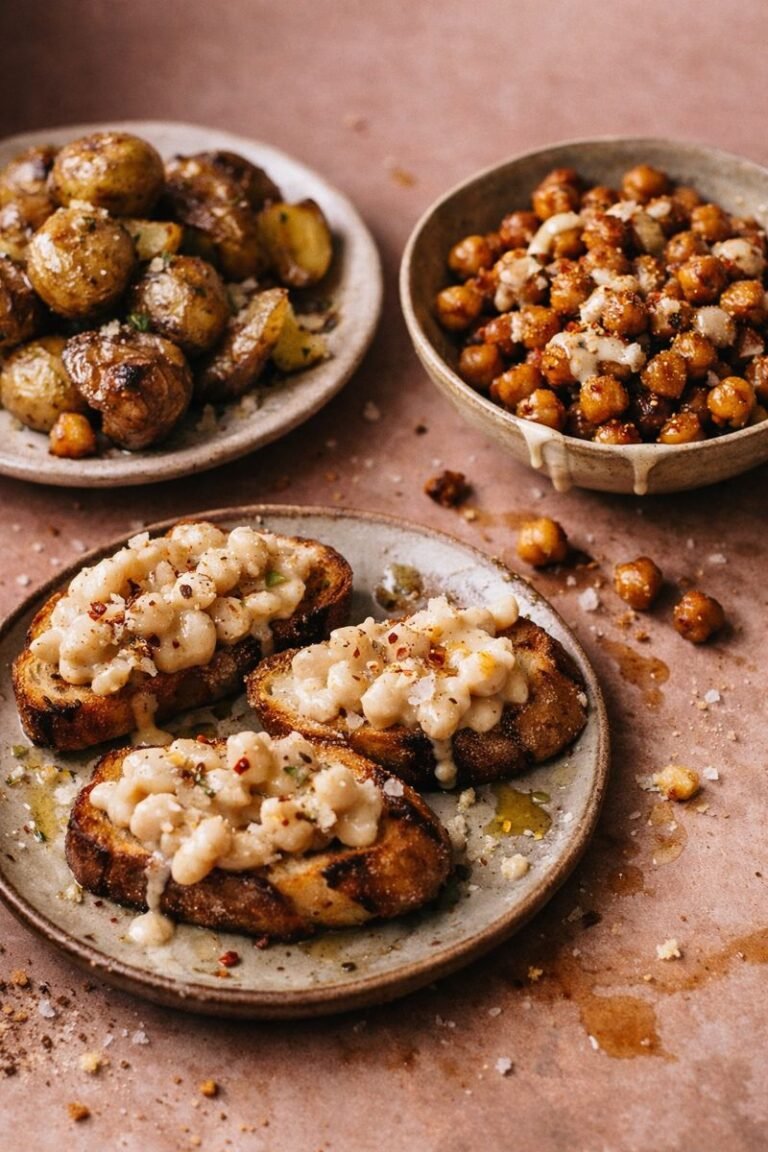
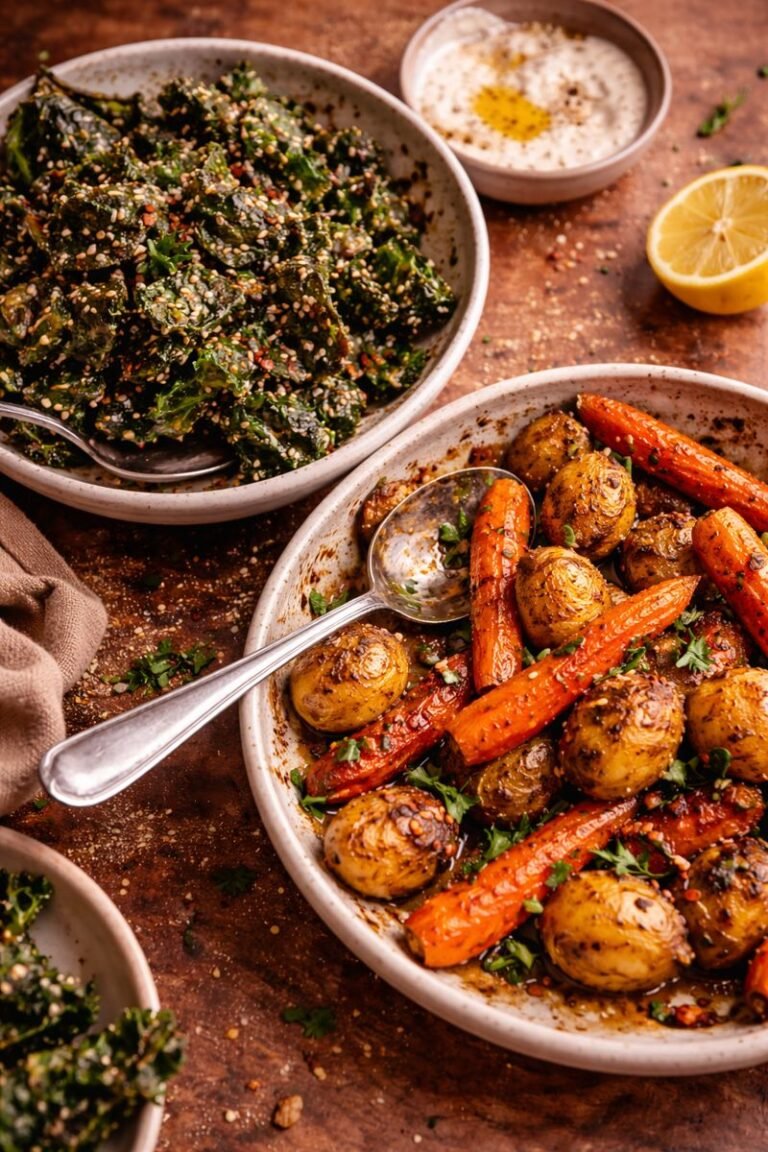
There is the Table — Fancy a bite? — where food becomes ritual rather than routine. Recipes are not hurried directives, but acts of attention. Meals take shape according to season, memory, and the simple desire to gather. It is a place of warmth, of hands moving with purpose, of something placed at the centre and shared without apology.
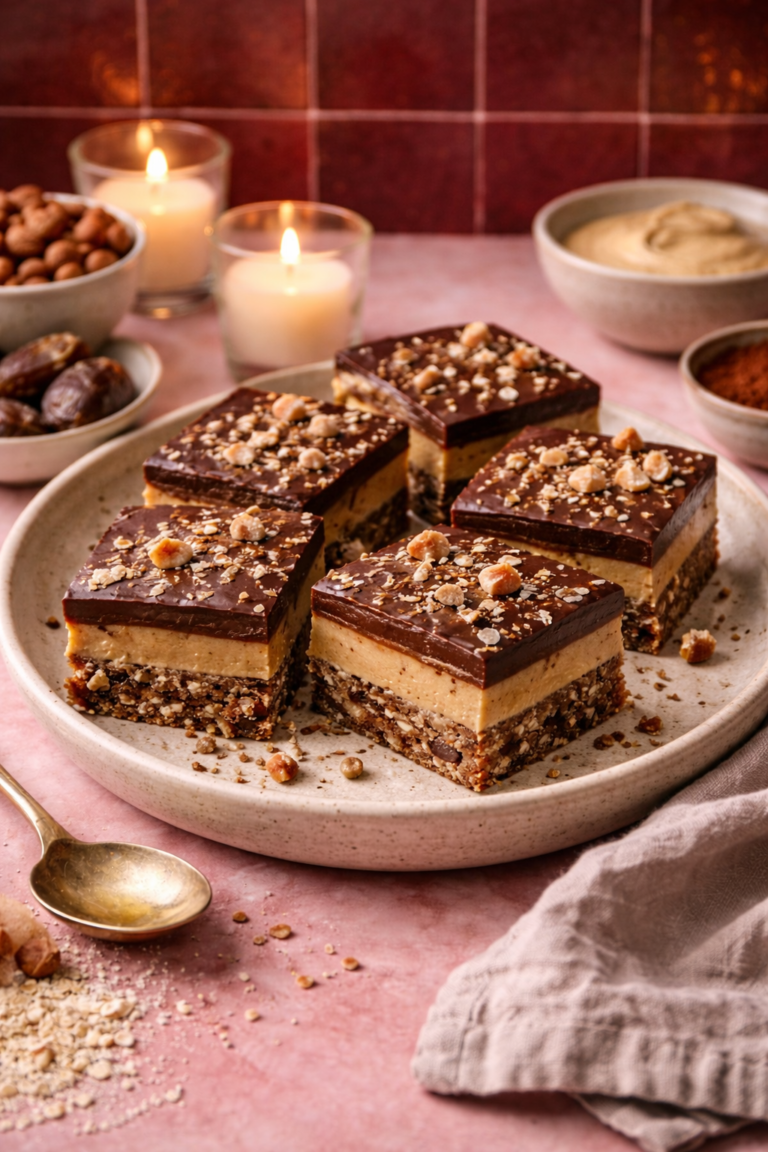
There is also the Atelier, though it speaks more softly: books, drawings, objects shaped by time rather than urgency. Things made slowly. Things to keep close. Things that acquire meaning through use.
And as for the woman who keeps the doors open —
I have always lived between disciplines rather than within the narrow comfort of one. Communication and creativity were my earliest languages; literature became my most faithful companion. I have studied it, taught it, returned to it — not as an abstract pursuit, but as a way of understanding how people move through the world: how they choose, how they love, how they hesitate.
Food entered my life not as a display, but as an instinct. I have always cooked as I read: attentively, curiously, unwilling to separate thought from the body. A dish, like a sentence, may be careless. Or it may be composed. The difference is rarely dramatic, but it is always felt.
And my love for food is not mild. It is vast. It lives in the pleasure of pressing dough beneath the palm, in the scent of citrus released beneath a blade, in the quiet satisfaction of placing something warm before someone and watching their shoulders soften.
Years of working with words, with students, with culture have taught me one simple truth: attention is rare. And therefore it is precious. To read well. To write precisely. To cook deliberately. To host with care. These are not decorative skills. They shape the texture of a life.
Maison Tatj is where these threads meet.
It is where my devotion to English literature rests comfortably beside my love of the table. Where teaching grows quieter and more lived. Where aesthetic judgement concerns integrity rather than appearance. Where language, food, ritual, and art are permitted to sit together without competition.
I am not here to perform expertise.
I am here to practise it.
This house is not built on urgency, nor on the promise of constant novelty. It is built on repetition, on season, on returning — to books, to recipes, to ink staining the edge of a page, to late afternoon light slipping across a wooden table.
If you recognise yourself in any of this, in the desire to live more deliberately, to choose more carefully, to linger where it matters, then you are already familiar with the house.
You may enter as you are.