There is a moment, in many novels, when someone is invited to sit down. Where taste meets literature.
It is my absolute favourite moment, indeed.
Not for drama, nor for revelation, but for something apparently smaller: tea poured, bread passed, a dish placed carefully at the centre of the table. One might pass such scenes quickly if one were impatient. Yet literature, like conversation, often reveals itself in these quieter gestures.
A table, after all, is rarely only a table.
It is where characters reveal themselves without intending to. Where appetites appear alongside manners. Where affection, resentment, pride, and restraint circulate as quietly as the food itself. The meal is rarely the subject of the scene, and yet it shapes everything within it.
o observe how people eat, in fiction as in life, is to observe how they live.
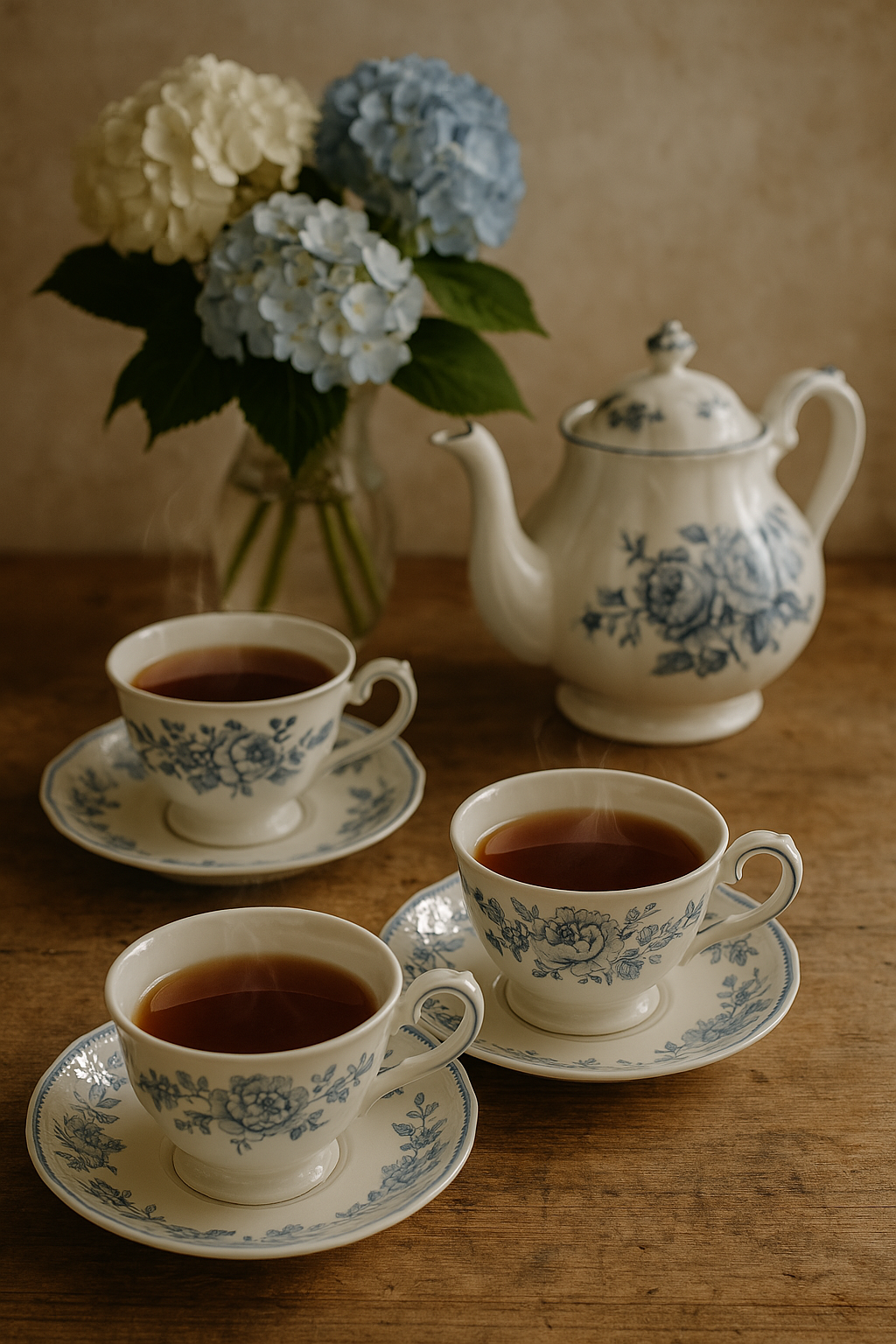
Jane Austen understood this particularly well. Her novels are not filled with lavish descriptions of cuisine, she had neither the inclination nor the need for such indulgence, and yet meals appear constantly, almost discreetly, structuring the movement of social life. Dinner invitations determine proximity. Tea offers intimacy without impropriety. Breakfast tables become places of reflection, where the previous evening’s events settle into understanding.
Food, in Austen’s world, is never spectacle. It is ritual.
One begins to notice it after a while, the rhythm of visits that revolve around meals, the careful choreography of hosting and accepting invitations, the quiet significance of who sits beside whom. The table becomes a theatre of discernment. Character reveals itself through the smallest decisions: who pours the tea, who speaks too loudly, who listens.
Elizabeth Bennet’s wit, for example, rarely unfolds in isolation. It moves across drawing rooms and dining tables, between cups and glances, in those spaces where conversation is permitted to wander but never entirely lose its composure.
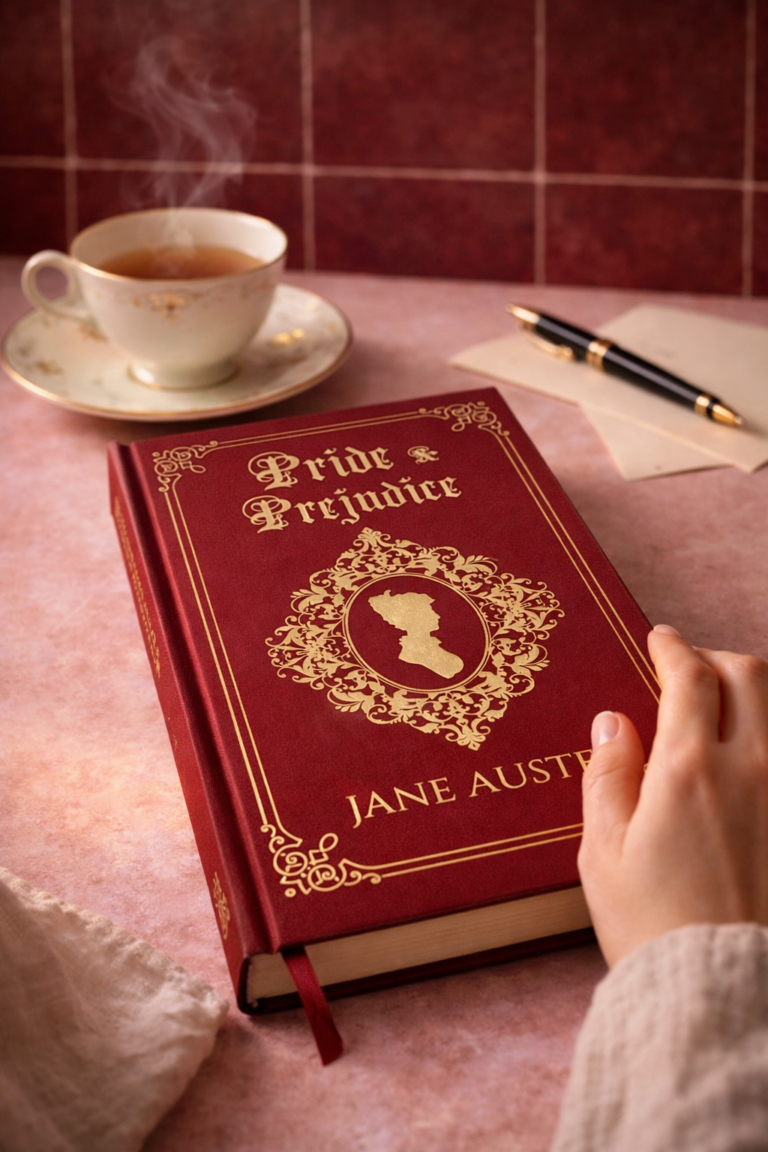
Perhaps this is why I have always read Austen with a cup nearby.
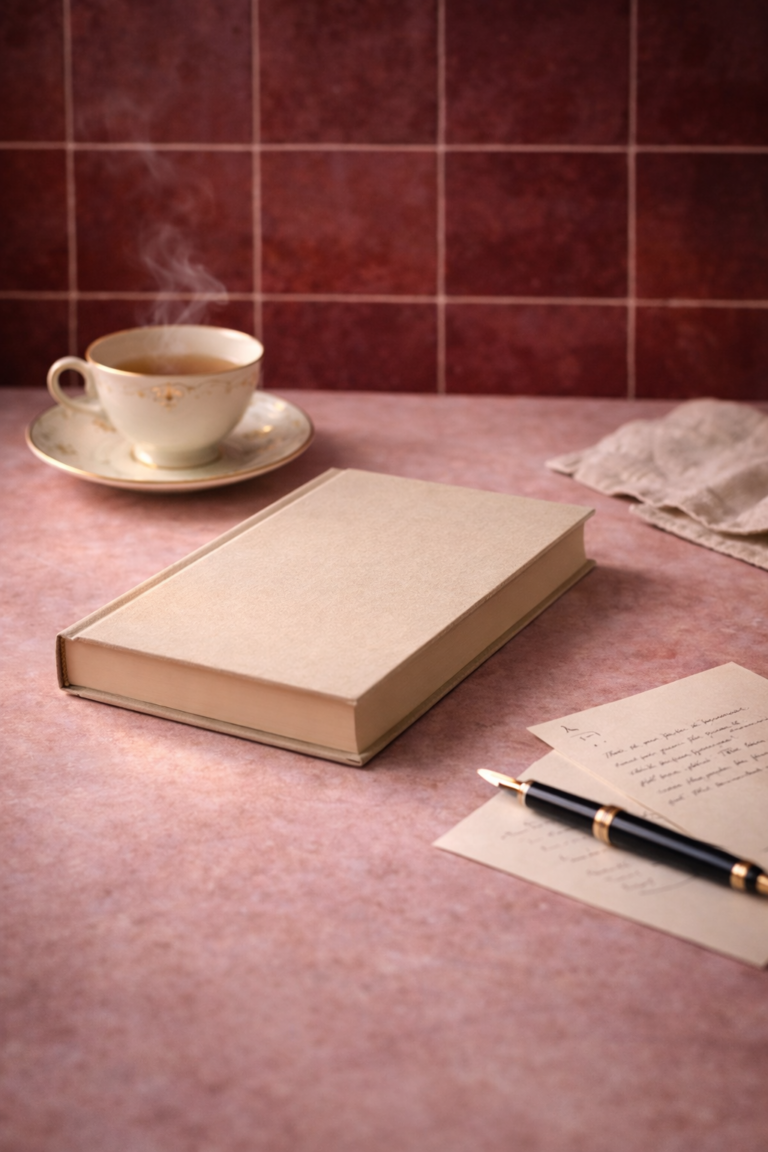
Not as a deliberate ritual at first, simply a habit that formed and remained. The book resting open against the table. Steam lifting faintly from porcelain. A page turned slowly, because the room itself feels unhurried.
Literature begins to feel different when it shares space with the senses. The faint bitterness of tea, the softness of evening light, the quiet sound of a chair moving across the floor. Words do not remain abstract in such moments. They settle into the body.
It was perhaps inevitable, then, that my reading of Austen eventually found its way into the kitchen.
Over time I began collecting the dishes scattered across her novels, references to breakfasts, cakes, dinners, small comforts mentioned almost in passing. What began as curiosity became something more attentive: an attempt to translate those fleeting literary meals into recipes that might exist at a contemporary table.
The result became a book, one that gathers the food of Austen’s world and reimagines it gently for our own. The spirit of the original table remains, but the recipes are shaped for the present: entirely plant-based, naturally gluten-free, attentive to the way we cook and eat now.
It is a curious experience, cooking from literature.
One finds oneself reading differently. Not only for plot or character, but for atmosphere. For the texture of domestic life that surrounds the story. A mention of cake becomes an invitation. A passing reference to tea becomes a pause.
Books reveal their kitchens slowly.
And perhaps this is why the table remains such a faithful companion to reading. Not because it distracts from literature, but because it completes it. The senses anchor the imagination. A room acquires warmth. Words linger longer when the body is also present.
The cup empties eventually. The book closes for the evening.
Yet the table remains, holding its quiet invitation for the next page.