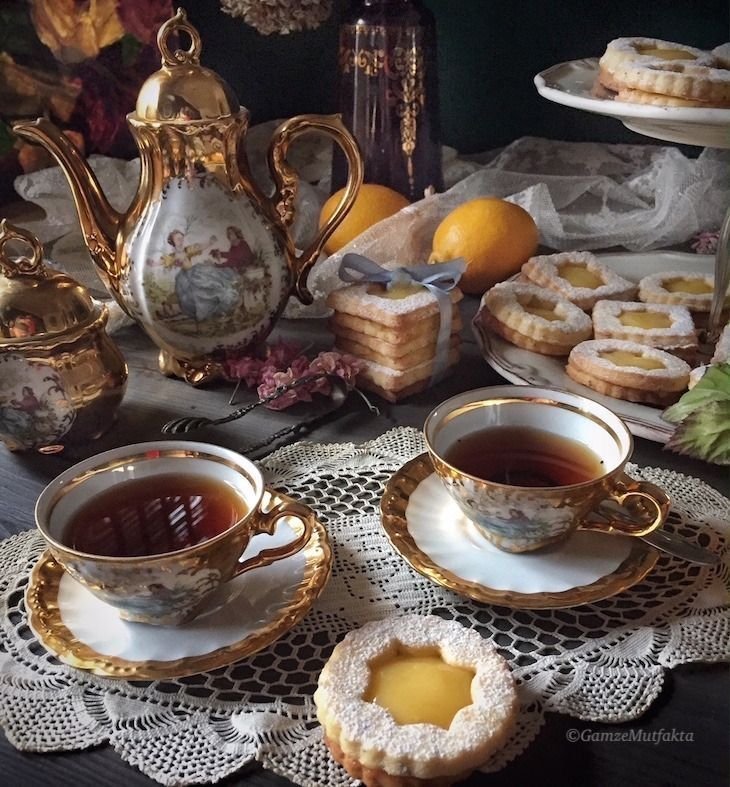
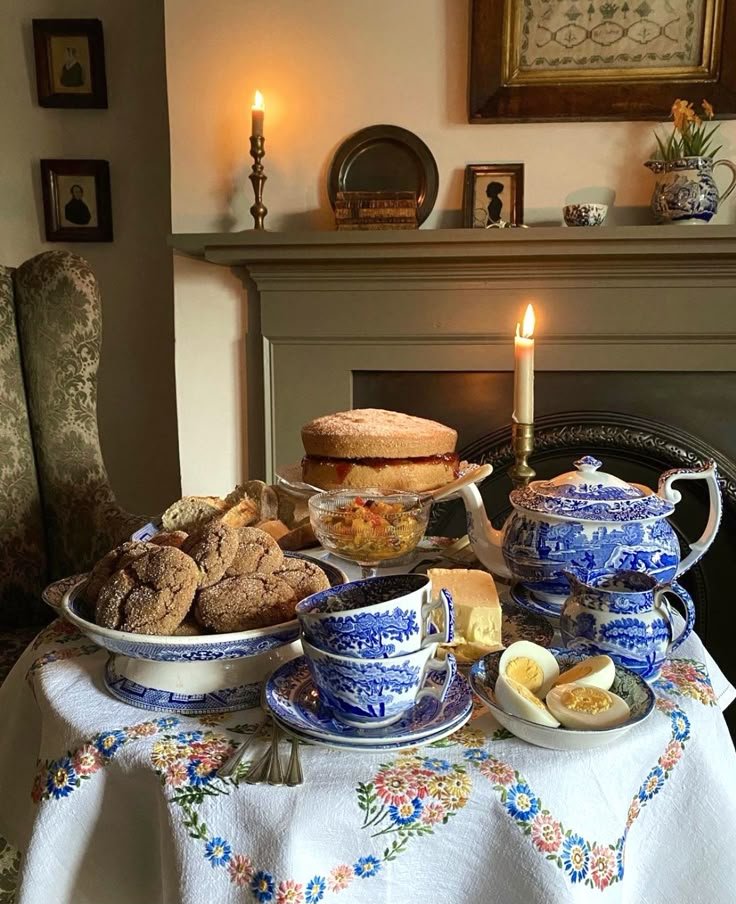
A cultural exploration of one of Britain’s most beloved rituals and what it reveals about identity, hospitality and the art of slowing down.
If you were to ask someone to picture Britain, there is a good chance that a teapot would appear somewhere in the scene.
Perhaps it is sitting on a lace-covered table beside a tiered stand of scones and sandwiches. Perhaps it is steaming gently in a cosy countryside cottage while rain taps softly against the windows. Or perhaps it is being poured in a grand London hotel where silver teapots gleam beneath chandeliers and waiters glide between tables carrying plates of miniature cakes.
For many people around the world, afternoon tea has become one of the most recognisable symbols of British culture. Yet to understand afternoon tea merely as a collection of beverages and baked goods is to miss the point entirely.
Because afternoon tea was never really about tea.
It was, and remains, a ritual.
A moment suspended between the demands of the day and the promise of the evening. A celebration of hospitality. A social language spoken through porcelain cups, careful gestures and the simple act of making time for another person.
Like many enduring traditions, its story begins with a problem.
The Duchess Who Couldn’t Wait for Dinner
In the early nineteenth century, dinner among Britain’s upper classes was often served remarkably late, sometimes not until eight o’clock in the evening. For many people, particularly those accustomed to lighter midday meals, the hours between luncheon and dinner felt impossibly long.
According to popular history, it was Anna, the seventh Duchess of Bedford, who decided something had to be done.
Sometime during the 1840s, she began requesting a tray of tea, bread and small cakes to be served in the afternoon. What began as a practical solution to an inconvenient gap between meals soon evolved into a social occasion. Friends were invited to join. Conversations lingered. Tables became more elaborate. A private habit transformed into a fashionable ritual.
By the end of the Victorian era, afternoon tea had become firmly established within British social life.
Yet the food itself was only part of the attraction.
The true appeal lay in the gathering.
The Art of Creating a Pause
Modern life often celebrates productivity, efficiency and speed. We rush through lunches at our desks, answer emails while eating breakfast and convince ourselves that every moment should serve a purpose.
Afternoon tea quietly proposes a different philosophy.
Its structure encourages us to slow down.
Tea must be brewed. Cups must be poured. Scones are split and topped with jam and cream. Conversations unfold gradually rather than competing with notifications and deadlines.
The ritual transforms an ordinary afternoon into an occasion.
This may explain why afternoon tea continues to feel relevant despite originating nearly two centuries ago. While many Victorian customs have faded into obscurity, this one remains remarkably resilient because it fulfils a human need that has not changed.
People still long for moments of connection.
People still crave pauses.
People still seek small rituals that make everyday life feel more meaningful.
A Lesson in British Hospitality
Britain is not always a culture known for grand emotional displays.
Affection is often communicated subtly, through gestures rather than declarations. A neighbour may not tell you they care, but they might appear at your door with a homemade cake. A friend may struggle to express concern directly, yet immediately offer to put the kettle on.
Tea occupies a unique place within this social landscape.
It functions as a universal response to almost every situation imaginable.
Good news?
Let’s have a cup of tea.
Bad news?
Let’s have a cup of tea.
A difficult conversation?
Tea.
An unexpected visitor?
Tea.
A rainy afternoon?
Definitely tea.
In this sense, tea becomes more than a beverage. It becomes a form of hospitality and emotional shorthand. Offering tea is rarely just about providing refreshment. It is an invitation to sit down, stay awhile and share a moment together.
Afternoon tea elevates this instinct into an art form.
What the Table Reveals About a Culture
Food traditions often reveal far more about a culture than guidebooks ever could.
Afternoon tea tells us that British society has long valued ritual. It suggests an appreciation for structure, etiquette and ceremony, even in seemingly small matters. It reveals a belief that ordinary moments deserve attention and that hospitality is worth celebrating.
The tradition also reflects Britain’s historical relationship with tea itself, a story shaped by global trade, empire, industry and changing social customs. A simple cup contains layers of history that stretch far beyond the teapot.
Yet perhaps the most enduring lesson is this:
afternoon tea demonstrates how culture often lives within repetition.
Not in grand monuments or official ceremonies, but in the habits people perform again and again until they become part of collective identity.
The Sunday roast.
The village fête.
The Christmas cracker.
The afternoon cup of tea.
These rituals tell a society who it is.
More Than Tea
Today, afternoon tea exists in many forms.
It can be experienced in elegant hotels overlooking London’s busiest streets or at a kitchen table shared with family on a quiet Sunday afternoon. It can be lavish or wonderfully simple. The menu may evolve, but the essence remains unchanged.
Because afternoon tea has never really been about cucumber sandwiches or perfectly baked scones.
It is about making space.
Space for conversation.
Space for connection.
Space for pleasure without guilt.
In a world that often encourages us to move faster, consume more and do everything at once, perhaps the enduring appeal of afternoon tea lies in its gentle reminder that some of life’s most meaningful moments happen when we choose to slow down.
And that is a lesson worth preserving, one cup at a time.