Taste is intelligence, and there is a particular silence that follows a well-considered choice.
It is not the silence of hesitation. It is the silence of certainty: the quiet that settles when one knows why something has been selected, and why something else has not.
I have come to believe that taste is not aesthetic preference. It is a moral positioning.
Not morality in the rigid sense, but in the sense of value. What do we consider worthy of space? Of money? Of attention? What do we allow into our homes, onto our shelves, into our bodies?
It is easy to consume. It is harder to choose.
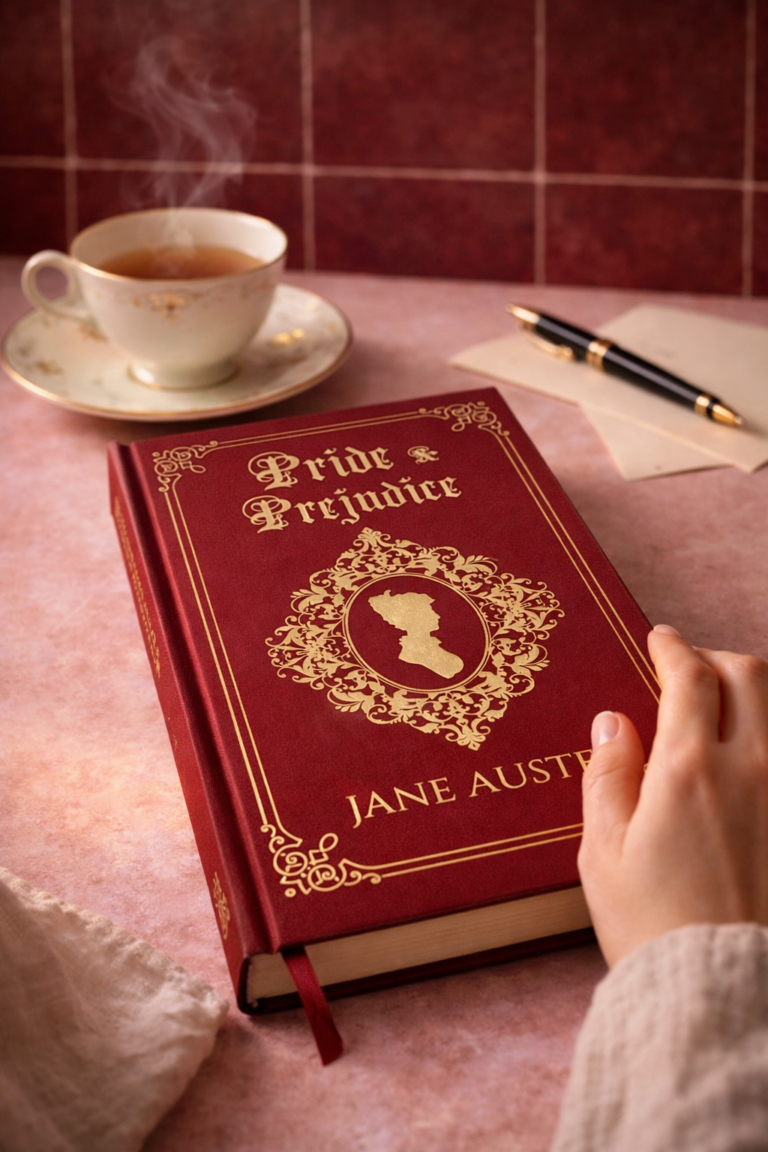
We live in a time that rewards immediacy. Fast delivery. Quick opinion. Constant novelty. And yet the most meaningful pleasures in my life have required restraint: saving for the book I truly wanted instead of buying three I did not; waiting to host until I could do it properly; learning a recipe slowly enough to understand it rather than simply complete it.
Slowness is not laziness. It is discernment stretched across time.
There is also something quietly intimate about spending carefully. To choose quality over quantity is to acknowledge that one’s environment shapes one’s thinking. A well-made chair supports more than posture. A good book alters the temperature of a room. A properly set table changes how conversation unfolds.
Money, then, is not vulgar. It is expressive. How we spend reveals how we live.
Of course, refinement is not inherited whole. It is practised. One misjudges. One buys too quickly. One speaks too soon. Pride intrudes. So does prejudice. But the cultivated life is not one without error; it is one in which error becomes instruction.
Taste is not fixed. It matures.
I have found that the older I become, the fewer things I desire, and the more deeply I desire them. A smaller wardrobe, but better clothes. Fewer invitations, but longer conversations. Fewer objects, but those that bear the weight of use.
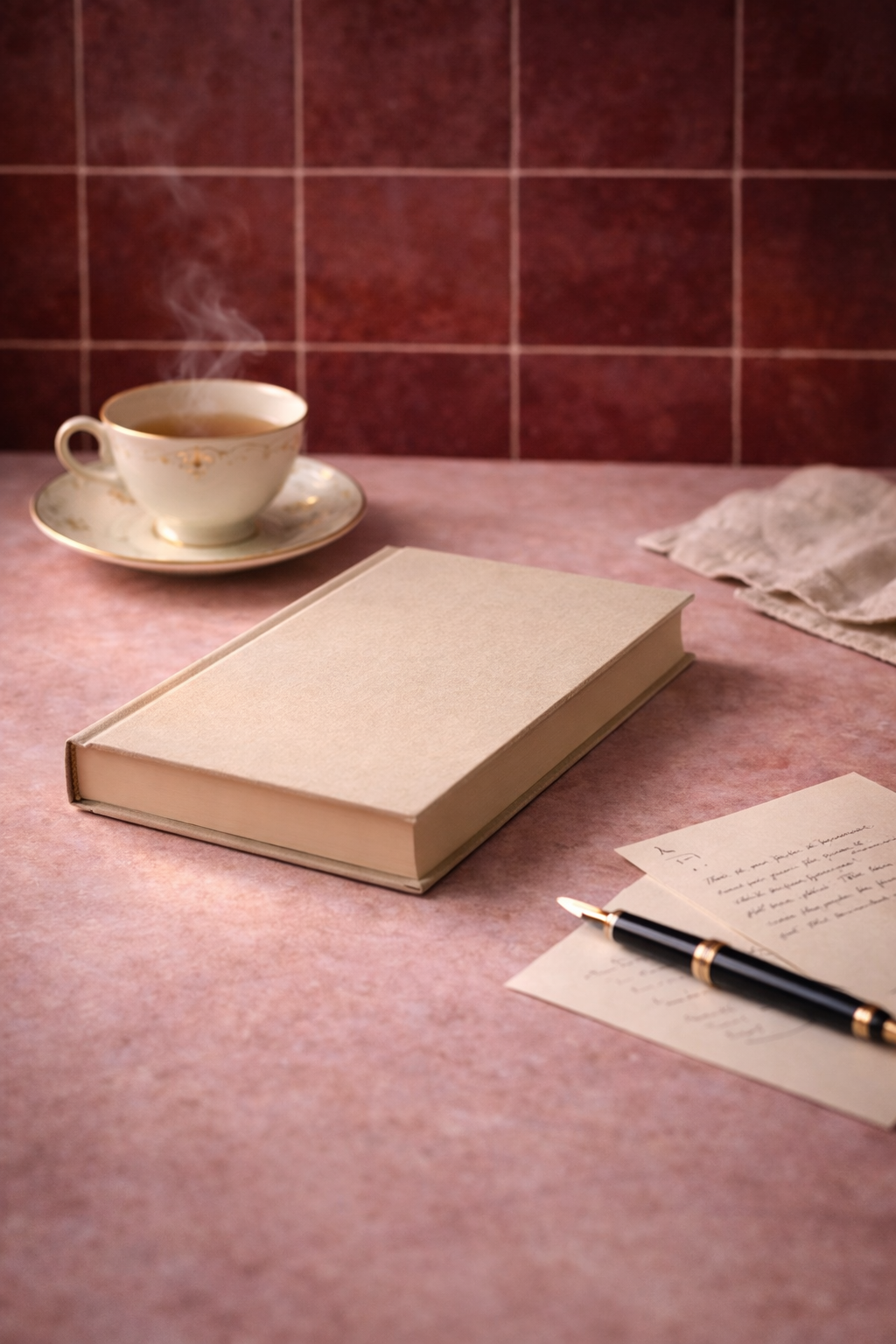
There is a sensuality in this restraint. The weight of a hardback book. The texture of linen beneath the hand. The faint mark left by ink on cream paper. These are not grand luxuries. They are chosen ones.
To live in this way requires courage. It requires saying no without apology. It requires resisting the speed of the world without announcing oneself as resistant. It requires, occasionally, being misunderstood.
But cultured living has never been about display.
It is about alignment: between what one values and how one lives.
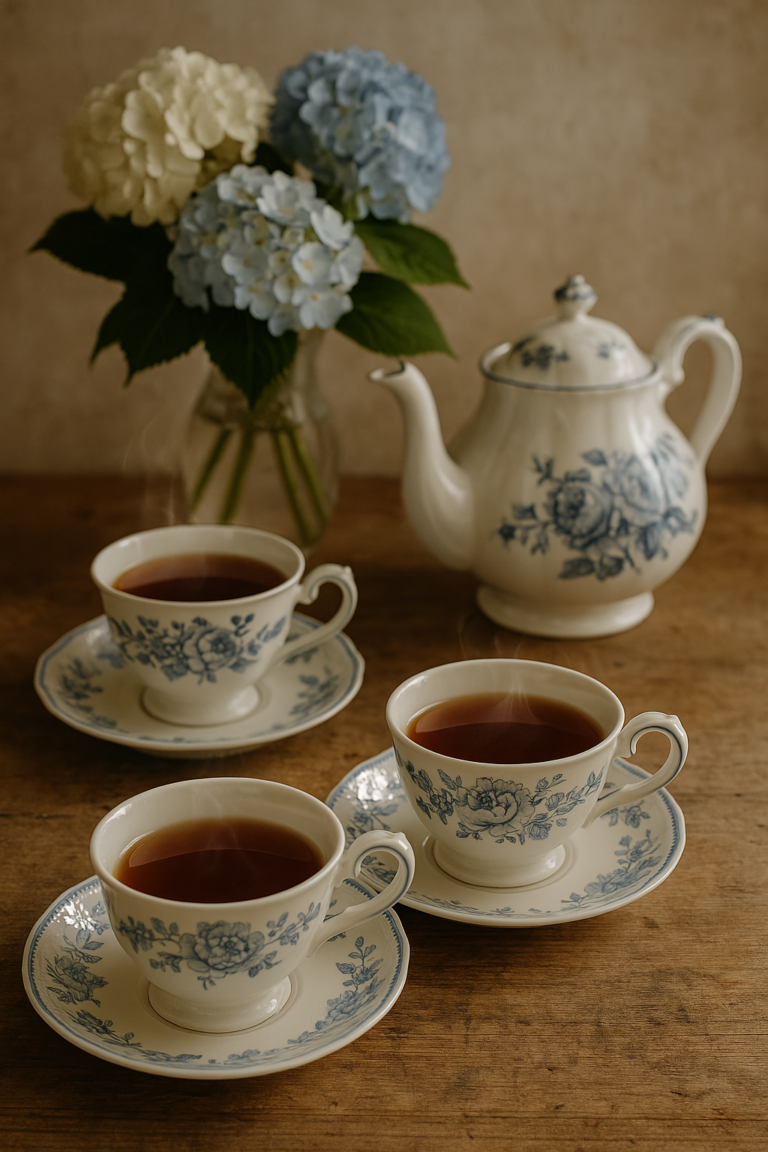
A cup is poured. Steam rises. The room holds its shape.
Nothing extraordinary has occurred.
Only a choice, made well.