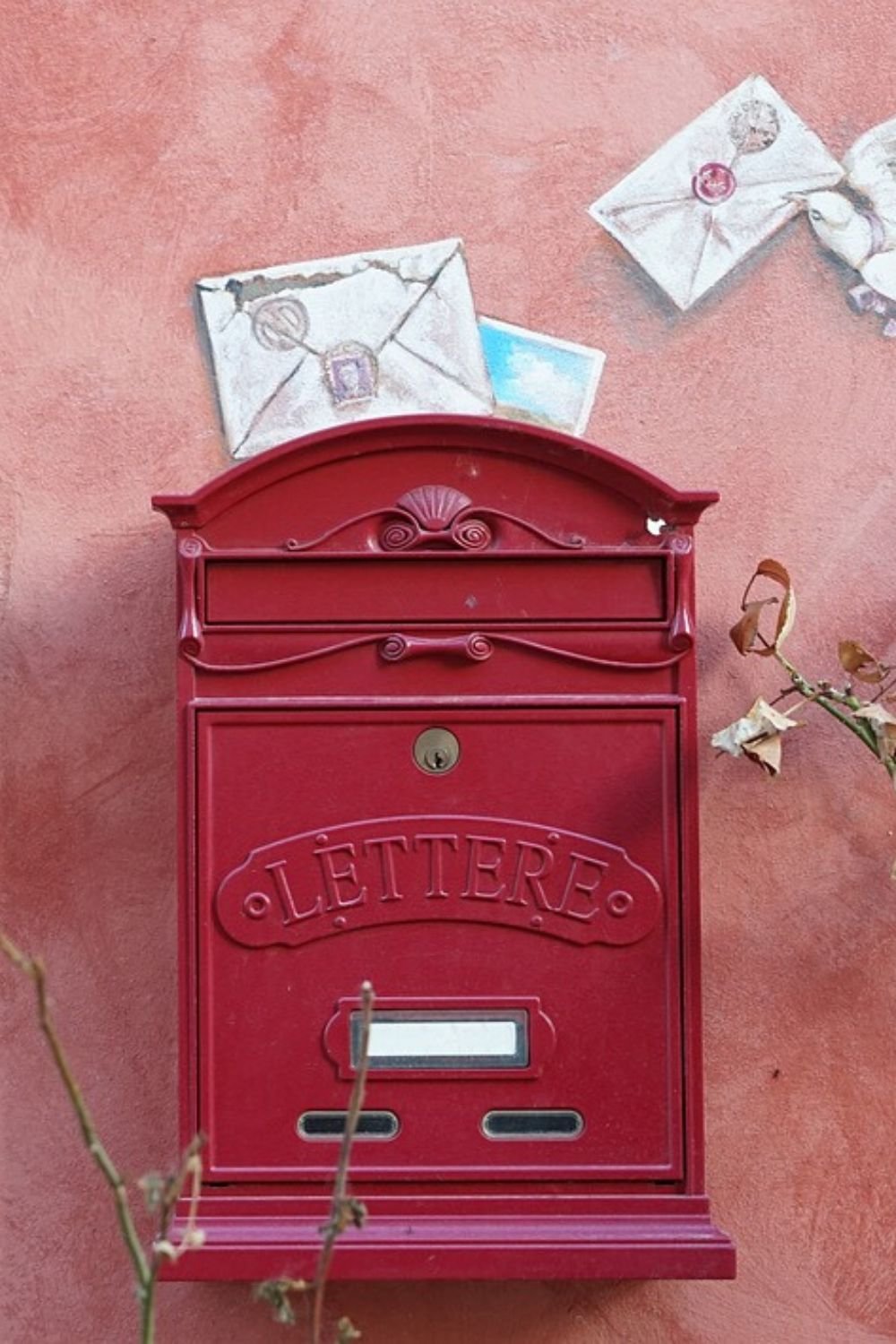
There are certain gestures one does not rush. Unfolding letters is one of them.
The paper yields slowly beneath the fingers; the crease softens; the words reveal themselves not all at once, but in sequence — as though they required a particular kind of attention before they agreed to be read. It is a small act, and yet it alters the atmosphere of a room.
I have often thought that correspondence is less about communication than about presence.
We live surrounded by language, and yet very little of it remains. Messages arrive, are read, and disappear almost at once, efficient, perhaps, but curiously weightless. Nothing lingers. Nothing settles. Nothing asks to be kept.
A letter does.
It carries time within it. Not only the time it takes to travel, but the time it requires to be written… considered, paused over, perhaps rewritten. Even its silences feel intentional.
Cultured living, in its quieter form, is often nothing more than the decision to return to such gestures. To choose depth where speed is offered. To allow certain things to arrive more slowly, so that they may be received more fully.
It was, I think, inevitable that the house would begin to write.
Not loudly. Not all at once. But in a series of small correspondences, each shaped by a slightly different mood, a different room, a different way of paying attention.
They now gather under what I have come to call the Maison Tatj Chronicles.
Midnight Letters belong to the later hours: written when the day has softened and thoughts take on a quieter honesty. These are letters that do not hurry towards clarity, but remain for a while in the half-light where reflection feels most natural.
The Taste of Words moves between literature and the table. A fragment of text, a reflection, something to cook, something to keep, each letter composed as a small, self-contained world where reading and living are not kept apart.
The Supper Society is more outward in its gesture, though no less attentive. It gathers around the idea of the table as a place of meeting: menus, shared rituals, the subtle choreography of hosting and being hosted. Not performance, but presence.
The Travellers’ Post carries a different rhythm altogether. It moves through place, not as an itinerary, but as an atmosphere. Observations, fragments, the particular texture of being elsewhere, written in a way that allows the reader to inhabit the journey rather than simply follow it.
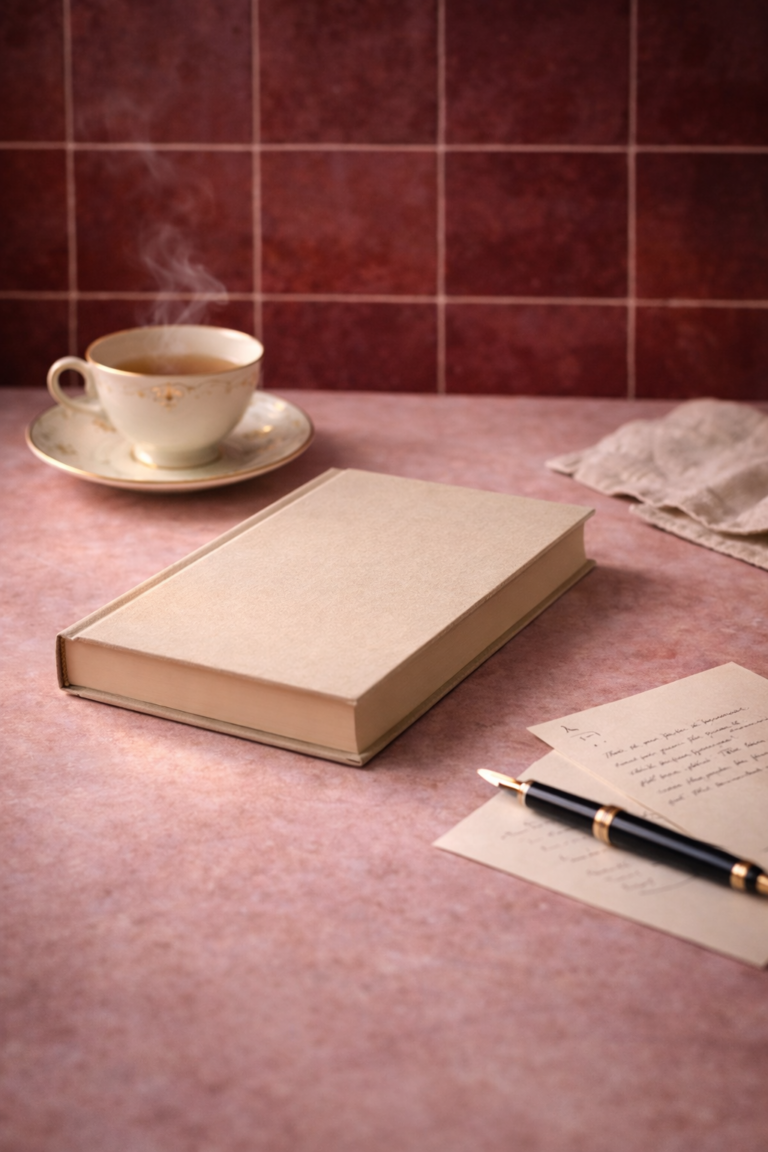
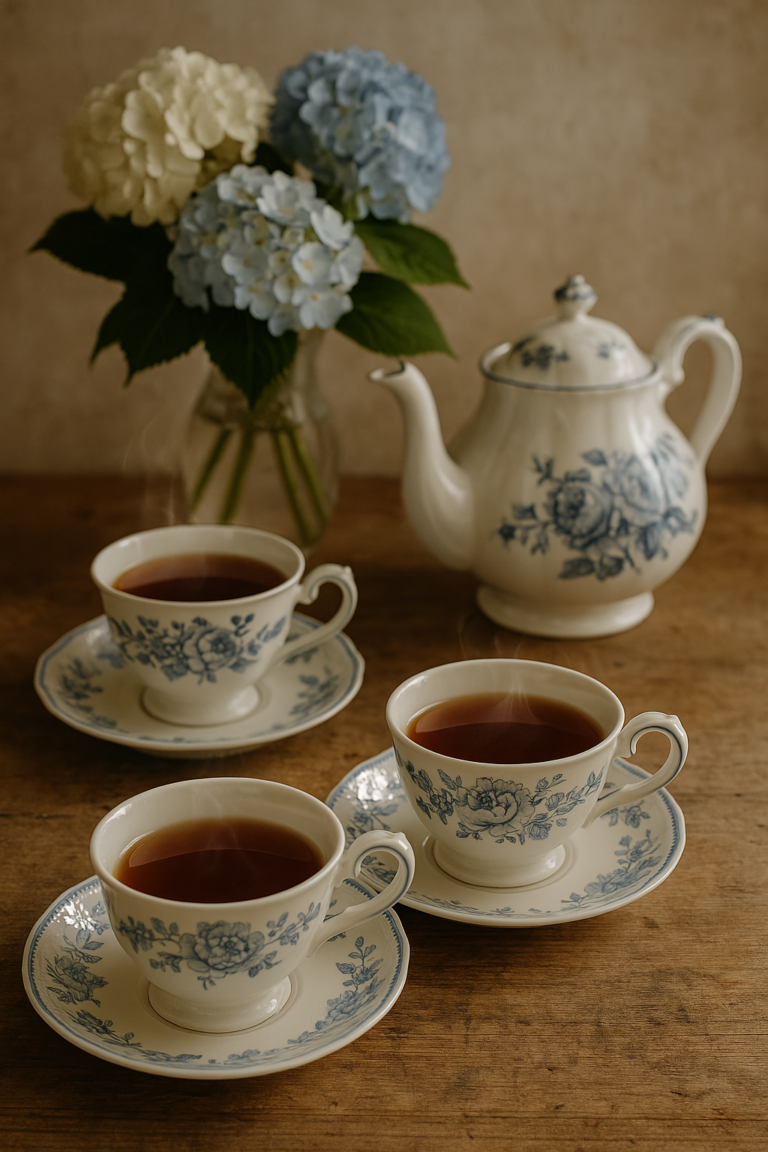
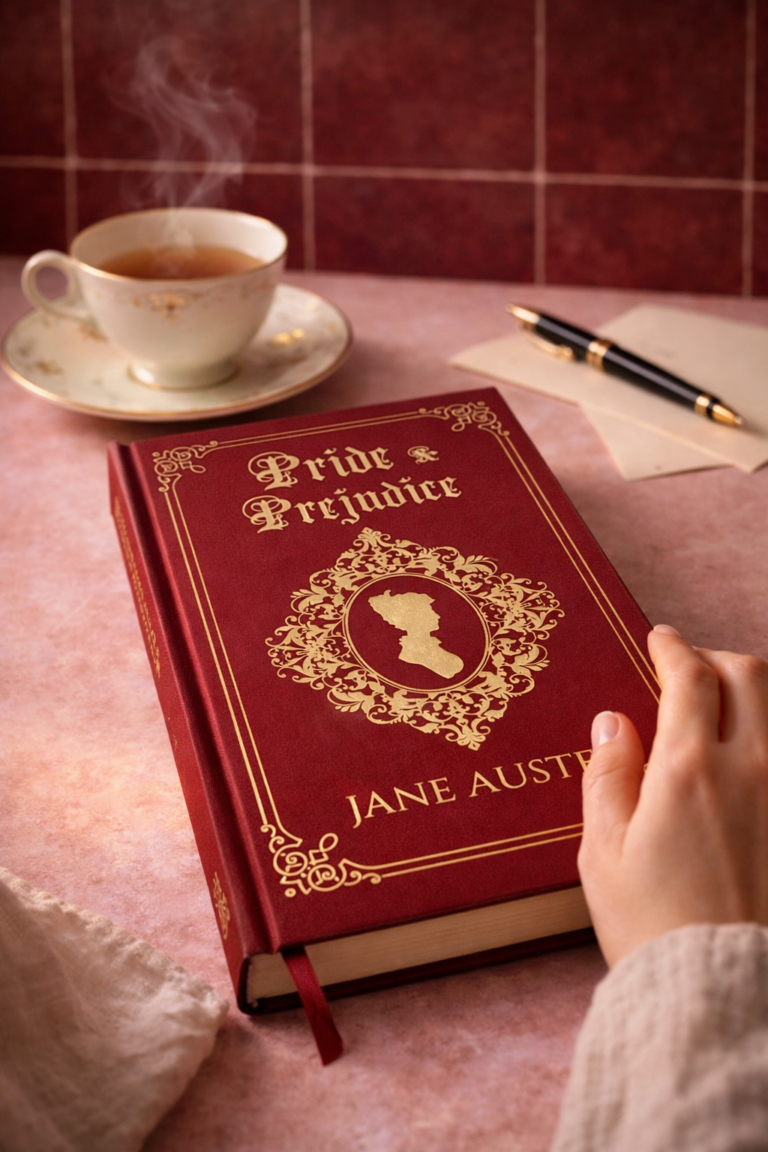
The Five O’Clock Club returns, as it must, to tea. To that hour which asks for neither urgency nor explanation. A pause in the day, shaped by small rituals… a cup, a page, a moment of quiet order restored.
Tales from Applewood speaks more softly. It belongs, perhaps, to a different kind of reading… one that is gentler, more whimsical, yet no less attentive. Stories that carry warmth, drawn with the same care one might give to a small, well-kept object.
And then there is The Brand Boutique, though even here the word “brand” is held lightly. It is not commerce that defines it, but composition: the shaping of ideas into something that can be seen, held, and understood. A quieter space, where creation is observed rather than announced.
Each of these correspondences exists separately, and yet they belong to the same house.
Different rooms. Different hours. The same attention.
They are not designed to overwhelm, nor to arrive all at once. One chooses where to begin. One receives what resonates. The rest remains, patiently, for another moment.
A letter is written. Folded. Sent.
Somewhere, a door is opened.